
In a 2014 episode of JournalTalk, Nathan Ohren explored a question that feels even more relevant today: What happens to our personal stories as technology changes?
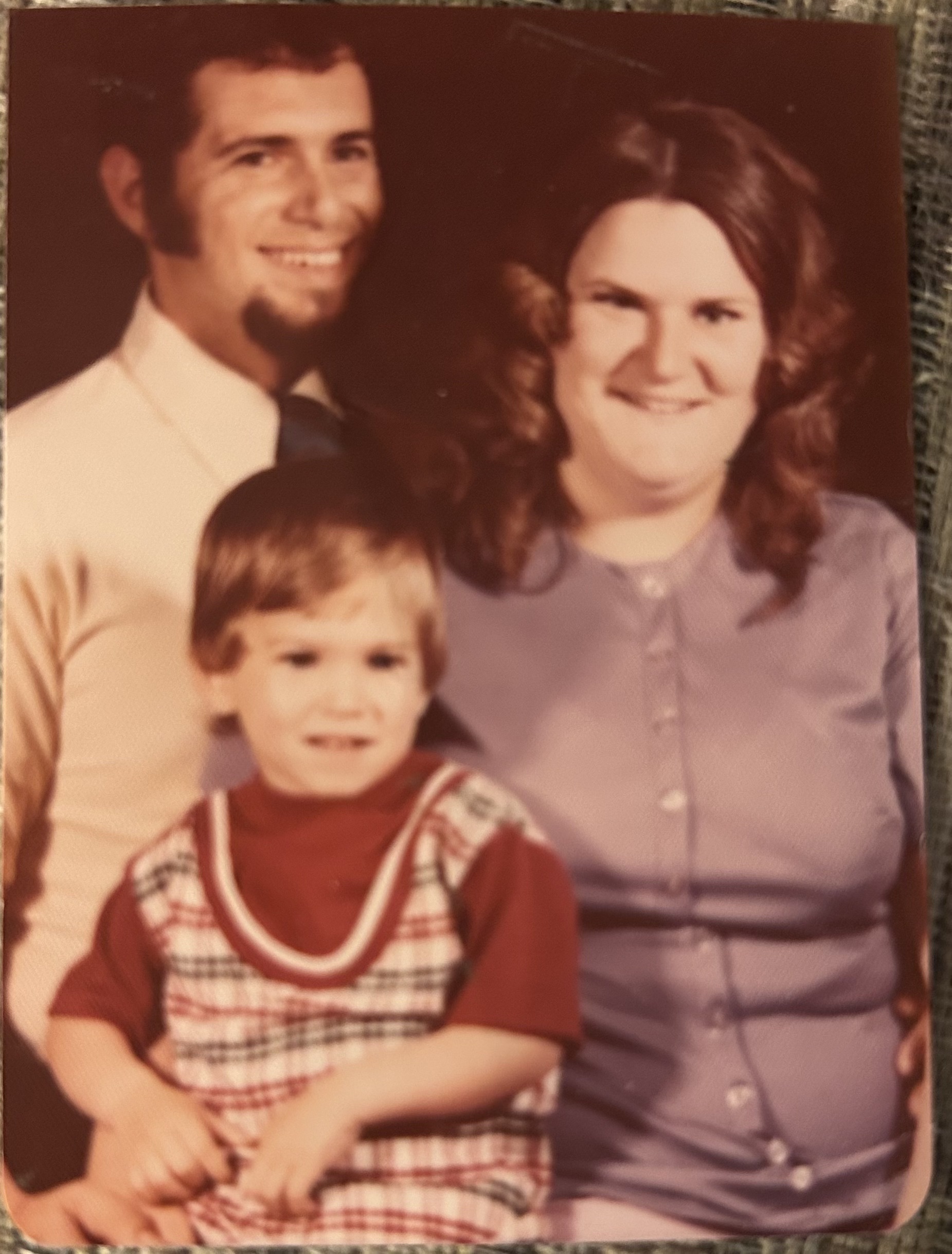
The episode begins with a remarkable archival recording from 1973. In it, Nathan’s father records two-and-a-half-year-old “Nate” speaking into a reel-to-reel tape recorder. The scene is ordinary and intimate: a young child naming pictures in a book, learning how to hold a microphone, watching the recording needle move, and being lovingly coached by his father. At the time, it was simply a family moment captured with the technology available. Decades later, it became something more: a living artifact of family history.
Memory Becomes More Valuable Over Time
That recording had survived multiple technological eras. It began on reel-to-reel tape, was transferred to cassette, then converted into an MP3 file that could be shared with parents, siblings, nieces, nephews, and future generations. This became the episode’s central metaphor: preservation is not a one-time act. It is an ongoing relationship between memory, meaning, and changing technology.
From there, Nathan connected audio preservation to journal writing. A handwritten journal may begin as a private place to vent, process, dream, confess, or make sense of life. In the moment, the writer may not be thinking about legacy at all. But years later, those entries can become valuable records of what mattered: values, struggles, ambitions, relationships, cultural assumptions, emotional patterns, and personal growth.
Journals Are More Than Private Reflections
The episode makes a strong case that journals become more meaningful with time. Like family recordings, they capture not only facts but the texture of a life. They show what a person cared about, what they feared, what they hoped for, and how they interpreted the world around them. In this way, journals are not merely self-help tools. They are personal archives.
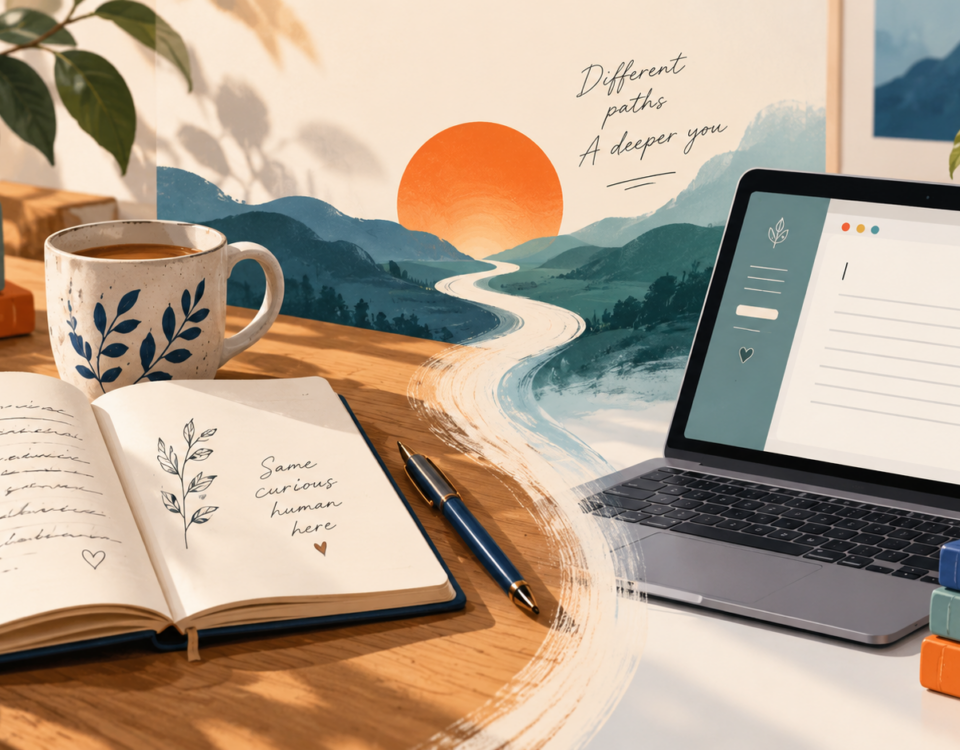
Nathan also described a major shift in his own practice: after years of championing handwritten journaling, he began experimenting with digital journaling. This was not a small change. He had loved the tactile quality of pen and paper and had long considered handwriting more authentic. Yet after scanning nearly 200 handwritten notebooks into PDF format, he began to ask whether future entries might be better preserved if they were created digitally from the beginning.
Rethinking Digital Journaling
The episode then debunks several myths about digital journaling. One myth is that typing is slower or less natural. Nathan suggests that typing, like handwriting, becomes easier with practice. Another myth is that digital journaling feels cold or disconnected. He argues that emotional authenticity is not limited to paper; after all, people routinely write deeply meaningful emails and messages through keyboards.
A third myth is that typing separates us from our words. Nathan reframes this as a matter of habit: we can train ourselves to let feeling move through the fingertips just as we once learned to let it move through the pen.
The Challenge of Distraction
At the same time, the episode acknowledges real challenges. Digital devices bring distractions: email, social media, shopping, notifications, and the temptation to edit instead of freely express. Modern journaling requires intention. It may mean turning off alerts, looking away from the screen, resisting the backspace key, or creating rituals that allow the digital space to become reflective rather than reactive.
Why This Message Matters Now
Ten years later, this material feels strikingly current. Today, journaling may happen in notebooks, apps, cloud documents, voice memos, encrypted platforms, blogs, or even AI-assisted reflection tools. The question is no longer whether digital journaling is “real” journaling. The better question is: What form best supports honesty, continuity, accessibility, and preservation?
Preserving the Voice of a Life
The heart of the episode remains timeless. Our lives are made of moments that may not seem important while they are happening. A child speaking into a microphone. A frustrated journal entry. A note about a dream, a heartbreak, a question, a decision, a hope. Over time, these fragments become evidence of a life being lived.
Modern journaling invites us to honor both the intimacy of the present moment and the possibility of future meaning. Whether we write by hand, type into an app, dictate into a phone, or preserve our reflections in new formats, the essential practice remains the same: pay attention, record what matters, and give your future self—and perhaps future generations—a way to hear your voice.
Technology will continue to change. The human need to remember, reflect, and make meaning will not.