
When this episode of JournalTalk first aired in 2015, I was coming out of a season that had forced me to slow down.
I had recently recovered from pneumonia, and after several weeks of rest, I found myself facing the familiar mountain that appears whenever life has been interrupted: emails, projects, household tasks, community commitments, creative ideas, business plans, and all the things I thought I “should” already have finished.
At first, it felt overwhelming. I had energy again, but not enough to push myself back into overdrive. More importantly, I did not want to go back to burning the candle at both ends. My recovery had reminded me how valuable rest, mindfulness, and self-kindness really are.
That became the personal backdrop for this episode. I was not just giving updates. I was sharing how journal writing helped me re-enter my life one step at a time.
The “Ta-Da List”: A Simple Journaling Tool for Overwhelm
One of the first things I share in the episode was a time- and energy-management technique I call the Ta-Da List.
Most of us are familiar with the to-do list. I have several of them. Sometimes I even feel like I need a to-do list just to manage my other to-do lists. But when we are overwhelmed, a traditional to-do list can start to feel less like a practical tool and more like a running record of everything we have failed to finish.
The Ta-Da List is different: Instead of writing down everything I could possibly do, I ask myself, “What are three things I could complete today that would give me the satisfaction of progress being made? So that, at the end of the day, I could exhale with a small but victorious “ta-DAH!”
The key is to keep the list small and realistic. Not whole projects. Not massive life changes. Just three meaningful tasks that would move something important forward. When I was recovering and rebuilding my rhythm, this little practice helped me focus on what mattered without demanding that I do everything at once.
The Ta-Da List is a journaling technique I come back to in times when I’m needing to celebrate my small daily victories, to give myself motivation, and to embody my intrinsic reward system for moving forward with my goals in tough times.
This is one of the great gifts of journaling. It can take the swirling pressure from our minds and transform it into something simple, visible, and doable.
Three Big Projects Taking Shape
This episode was also a personal and professional update. I had three major projects developing at the time, and each one represented a different way of expanding the mission behind JournalTalk: helping people live with passion, clarity, and purpose through writing, memory-keeping, and self-reflection.
The first was Capturing Life Through Technology, a second podcast focused on using everyday tools — smartphones, photos, computers, social media, and digital archives — to preserve the meaningful moments of life. While JournalTalk focused more directly on writing as a practice, Capturing Life Through Technology expanded the conversation to include photos, digital memories, family newsletters, and other ways we document our lives.
The second big project was the one that gave this episode its title: Soul of Success.
And the third was a new journaling program called Power Insights, a personalized seven-day writing process designed to help people gain clarity around a specific issue, goal, decision, relationship, or source of stress.
Looking back, what connects all three is obvious to me now: they were all about helping people capture meaning, clarify direction, and move forward with greater intention.
Being Invited Into Soul of Success
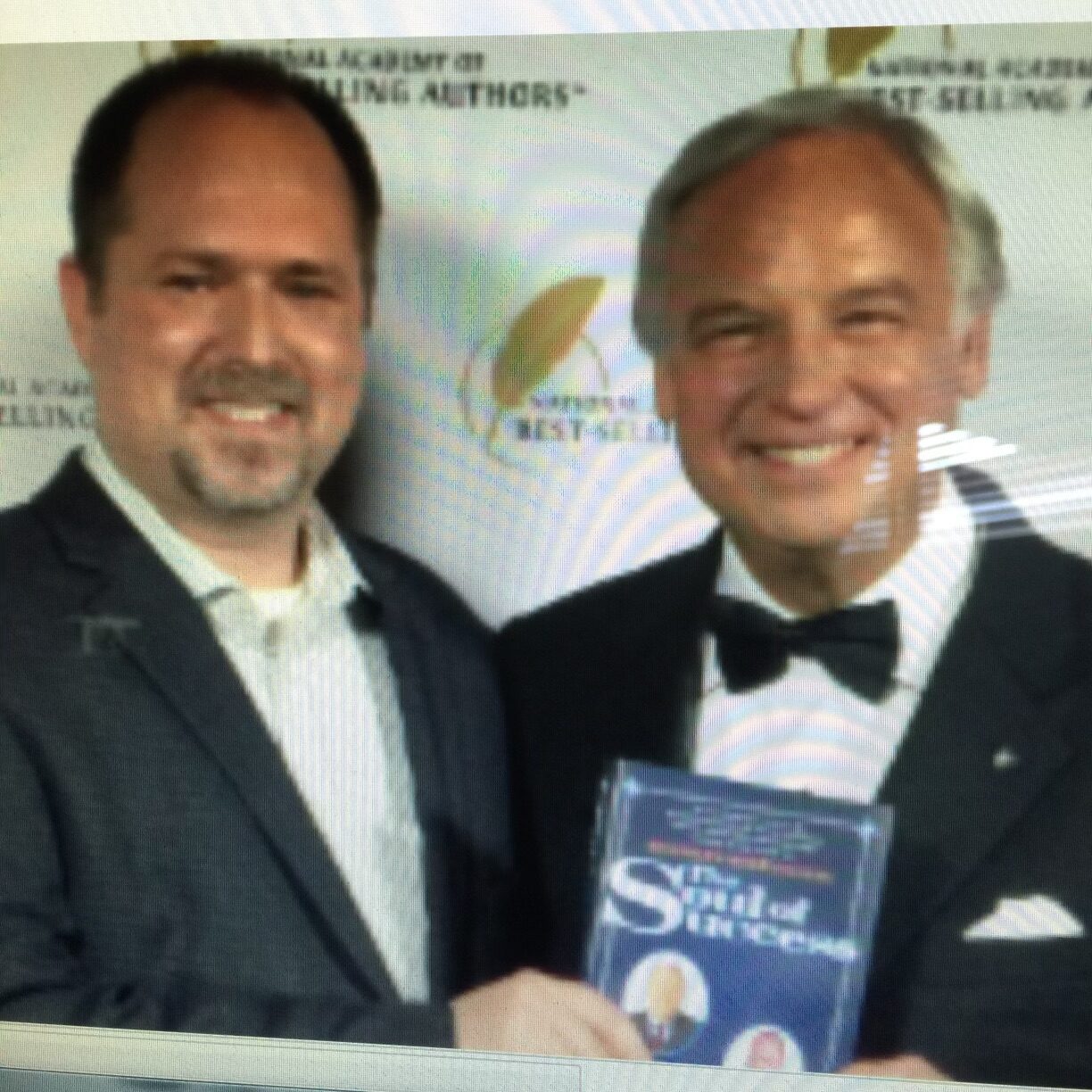
The most exciting announcement in this episode was my participation in Soul of Success, Volume One.
At the time, the book had not yet been released. I described it as a collection of insights from entrepreneurs, professionals, and business experts from around the world, brought together with bestselling author Jack Canfield. The full subtitle was ambitious: The world’s leading entrepreneurs and professionals reveal their core strategies for getting to the heart of health, wealth, and success.
When I heard about the opportunity, I knew immediately what my contribution had to be.
My core strategy for health, wealth, and success was not a marketing trick, a productivity hack, or a complicated business formula.
It was expressive writing.
So I submitted a proposal for a chapter called “The Secrets of Expressive Writing.” In it, I shared how a strong writing practice can help people in many different circumstances, including people I had worked with personally and guests I had interviewed on JournalTalk. I also offered practical tips for getting started with expressive writing as a tool for clarity, healing, and forward movement.
The publisher accepted the chapter, and suddenly I found myself part of a book project alongside Jack Canfield.
That was a thrilling milestone.
Why Jack Canfield’s Involvement Mattered
Part of what made this opportunity so meaningful was Jack Canfield’s connection to the project.
Many people know Jack as the originator of the Chicken Soup for the Soul series, one of the most recognizable inspirational book brands in the world. He later became widely known for The Success Principles, his work as a speaker, coach, and teacher, and his ability to help people translate big dreams into practical action.
So to have my chapter on expressive writing included in a success anthology connected with Jack Canfield felt like a powerful alignment.
It also felt like a chance to bring journaling into a broader success conversation.
Because expressive writing is not just about recording your feelings. It is not just about keeping a diary. It is a tool for discovering what you really think, what you really want, what you are afraid of, where you are stuck, and what next step is asking to be taken.
That is why Chapter 19 belonged in Soul of Success.
Chapter 19: The Secrets of Expressive Writing
In this episode, I revealed how a strong writing practice has helped people across many life situations. I wanted readers to see that expressive writing is not reserved for writers, artists, or people going through dramatic life events. It is useful for anyone who wants to live with greater self-awareness and direction.
Expressive writing can help you process stress.
It can help you make difficult decisions.
It can help you understand a relationship.
It can help you articulate a goal.
It can help you hear your own wisdom.
And perhaps most importantly, it can help you move from emotional confusion into purposeful action.
That was the heart of my contribution to Soul of Success: success begins inside. Before we can build, lead, sell, teach, create, or serve effectively, we need a way to listen to ourselves. Writing gives us that path.
The Birth of Power Insights
The announcement of Soul of Success also connected directly to the launch of my Power Insights program. In retrospect, the launch and success of this program would become the catalyst for my subsequent commitment to go back to University and acquire the skills and training to become a fully licensed psychotherapist. If you'd like to try the newly-revamped version of this powerful program, click here to book a 20-minute consultation.
Power Insights was originally designed as a personalized journaling experience. Instead of signing up for a long-term coaching package or attending a scheduled class, participants could focus on one specific issue for seven days. We begin with a short phone conversation about what they were facing — a goal, decision, relationship, work situation, or source of stress — and I provide customized writing prompts and activities for their situation.
The promise was simple: within a week of focused journaling, you would receive either resolution, valuable insight, clarity, a fresh perspective, or a new avenue of action. Today, the program is expanded into my therapeutic practice to include somatic techniques to give you results that last.
Why This Episode Still Matters
Listening back to this episode now, I hear more than an announcement about a book. It marks a moment of critical transition for me and my career.
I was recovering from illness, rethinking how to manage my energy, simplifying my daily focus with the Ta-Da List, launching new projects, and preparing to share my message about expressive writing with a wider audience through Soul of Success.
That makes this episode a kind of snapshot of real-life success in progress.
Not polished success. Not effortless success. But the kind of success that happens when you are tired, recovering, overwhelmed, excited, uncertain, and still willing to take the next meaningful step. And that, to me, is exactly why journaling belongs in the conversation about success.
It helps us slow down enough to know what matters. It helps us choose the next right step. It helps us turn overwhelm into focus. It helps us transform private insight into public contribution.
Listen to the Episode
In this episode of JournalTalk, I share the story behind my contribution to Soul of Success, introduce Chapter 19, “The Secrets of Expressive Writing,” explain the Ta-Da List journaling technique, and preview the Power Insights program.
For anyone interested in journaling as a success practice — especially during seasons of overwhelm, transition, recovery, or new creative opportunity — this episode offers a personal look at how expressive writing can become both a grounding practice and a launchpad for meaningful work.